Thinking about selling your Clifton Park home but not sure when to list? You want strong demand, a fast sale, and a smooth move. The right timing can help you reach more buyers and reduce stress. In this guide, you will learn how seasonality affects sales in Clifton Park, which local metrics to watch, and a simple 60-day plan to launch with confidence. Let’s dive in.
Clifton Park seasonality at a glance
Most suburban markets in the Capital Region follow a clear seasonal rhythm. Buyer activity and new listings rise from late winter into late spring, often strongest from March through June. During these months, you usually see more showings, faster offers, and fewer price cuts compared to winter.
Several local factors drive this pattern. Families plan moves around the school calendar and prefer closing in summer. Weather improves curb appeal and photos, which makes spring and early summer attractive for marketing. Commuter access to Albany and Schenectady helps sustain interest year-round, but the buyer pool is often wider in spring.
You can also see a smaller uptick from late summer into early fall. Buyers who missed spring re-enter the market, and some families finalize moves before the school year. Winter can be slower with longer days on market, but motivated buyers still shop, and well-priced listings can perform if inventory is tight.
When to list for your goals
Maximize price potential
If your priority is price, target the spring window. Listing between March and June often exposes your home to the largest buyer pool. Pair strong presentation with a data-backed price to capture early attention and reduce the need for reductions.
Close over the summer
If you want a late spring or early summer closing, plan backward. A June closing often means listing in March or April, depending on contract and closing timelines. Give yourself enough time for prep, showings, and negotiations.
Need speed or flexibility
If you need to move quickly, spring can shorten your days on market. If you must sell off-season, lean on pricing discipline and strong marketing to stand out. With limited inventory, well-prepared homes can still sell efficiently any month of the year.
What local metrics to watch
Before you set a list date, review current signals with your agent:
- Days on Market by month. Compare today’s pace to the 12-month average and to the same month in prior years. Faster DOM suggests stronger conditions.
- Months of supply. Less than 4 months of supply favors sellers, 4 to 6 is balanced, and more than 6 favors buyers.
- List-to-sale price ratio. Ratios near or above 98 percent in spring show stronger pricing power. Lower ratios suggest room for negotiation.
- Inventory trend. Falling inventory means less competition. Rising inventory can signal a need for sharper pricing.
- Pending-to-new ratio. If pending sales outpace new listings, demand is strong.
- Price reduction patterns. A high share of cuts or early reductions suggests buyers are pushing back on price.
Because Clifton Park is a town-sized market, smooth out noise by looking at 3-month or 12-month rolling averages. Review multi-year patterns to avoid one-off swings.
Your 60-day prep timeline
Use this plan to move from decision to list-ready in about two months.
Weeks 1–2: Planning and quick wins
- Interview and select a local listing agent who can pull Clifton Park monthly data.
- Request a Comparative Market Analysis and a pricing window with a clear marketing plan.
- Consider a pre-listing inspection to spot issues that could delay your sale.
- Set a budget and timeline for repairs, staging, photos, and contractor work.
- Start decluttering and organizing. Take baseline photos to track progress.
Weeks 3–4: Repairs and staging prep
- Complete priority repairs, especially safety, roof, HVAC, and key plumbing or electrical fixes.
- Refresh with light updates. Neutral paint, new fixtures, and minor flooring touch-ups go a long way.
- Deep clean inside and out. Wash windows, clean carpets, and clear gutters.
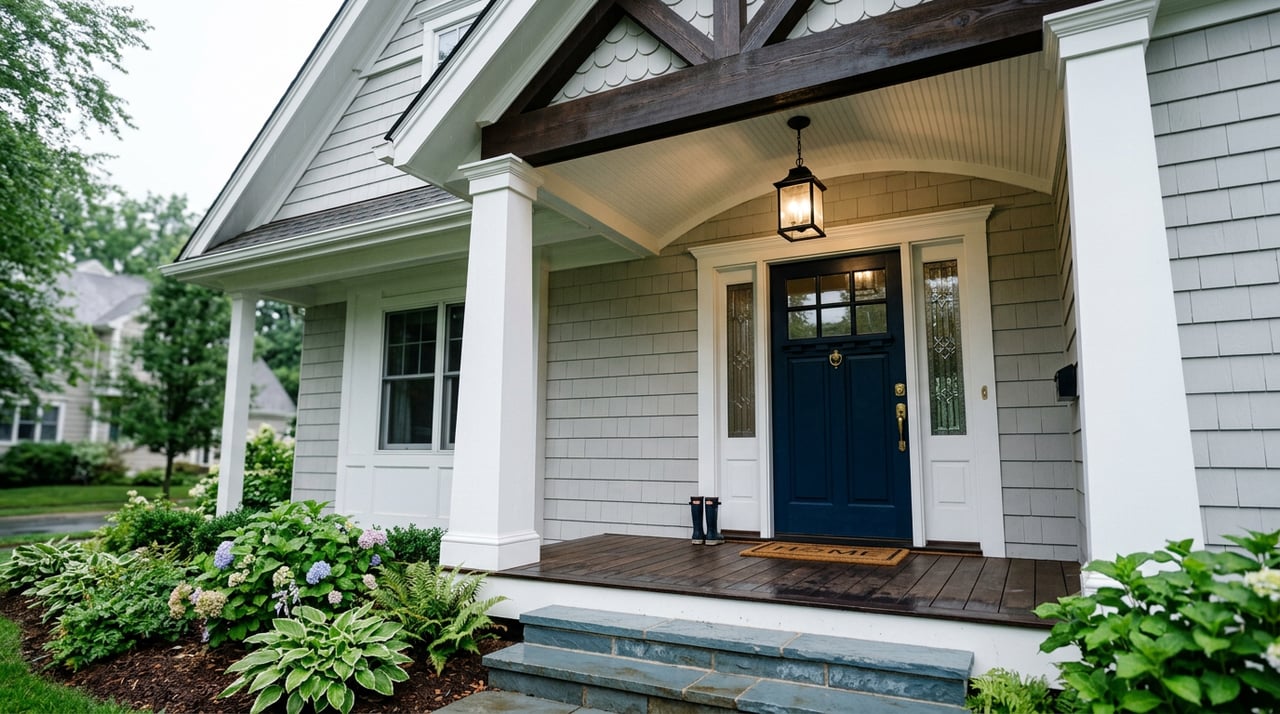
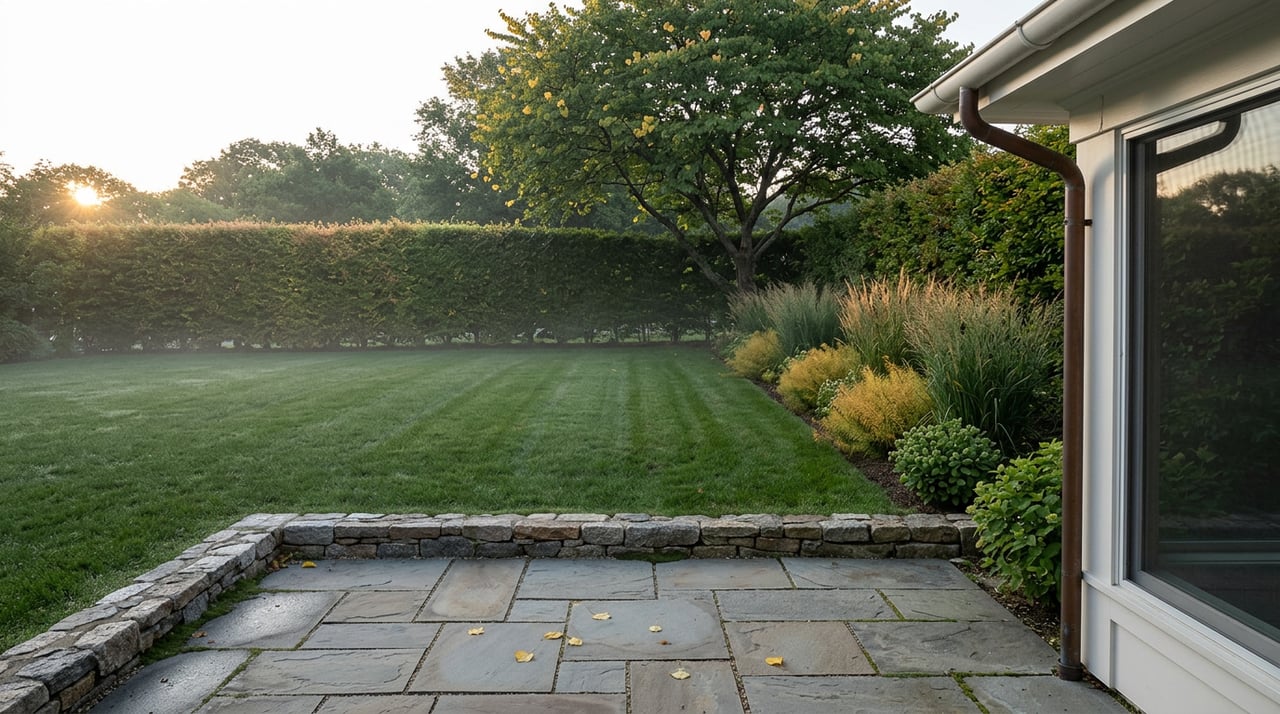
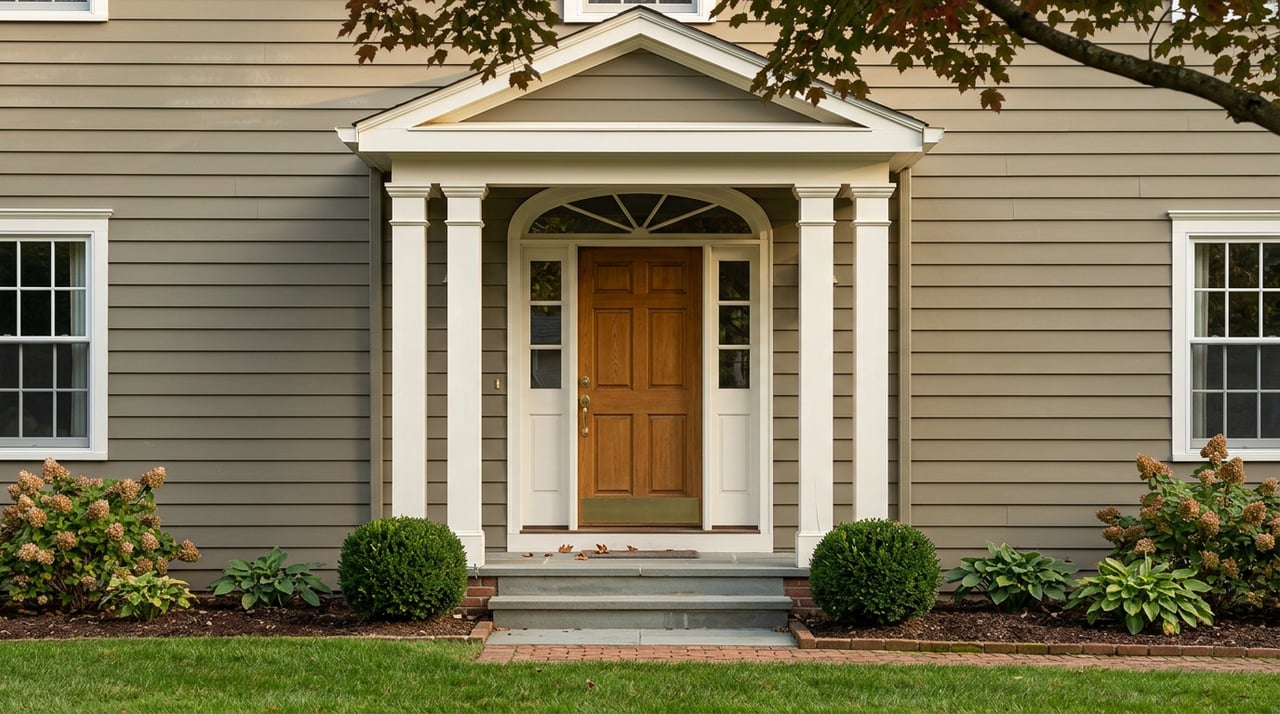
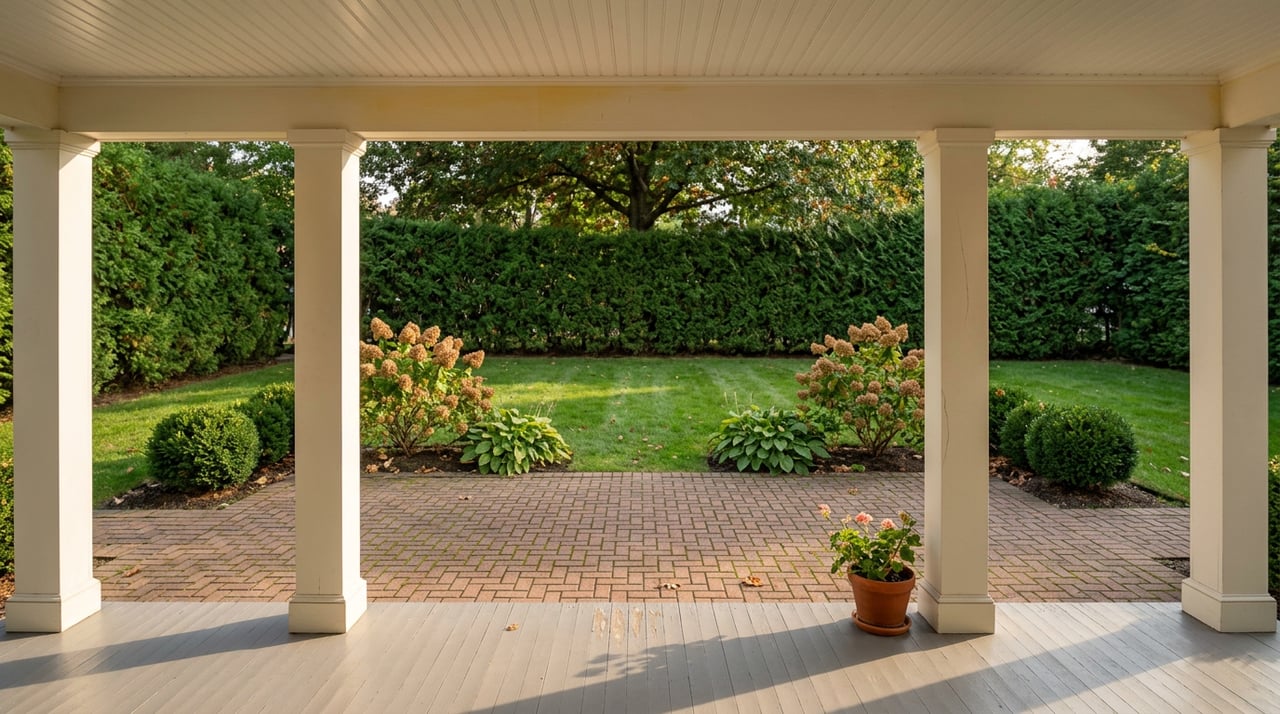
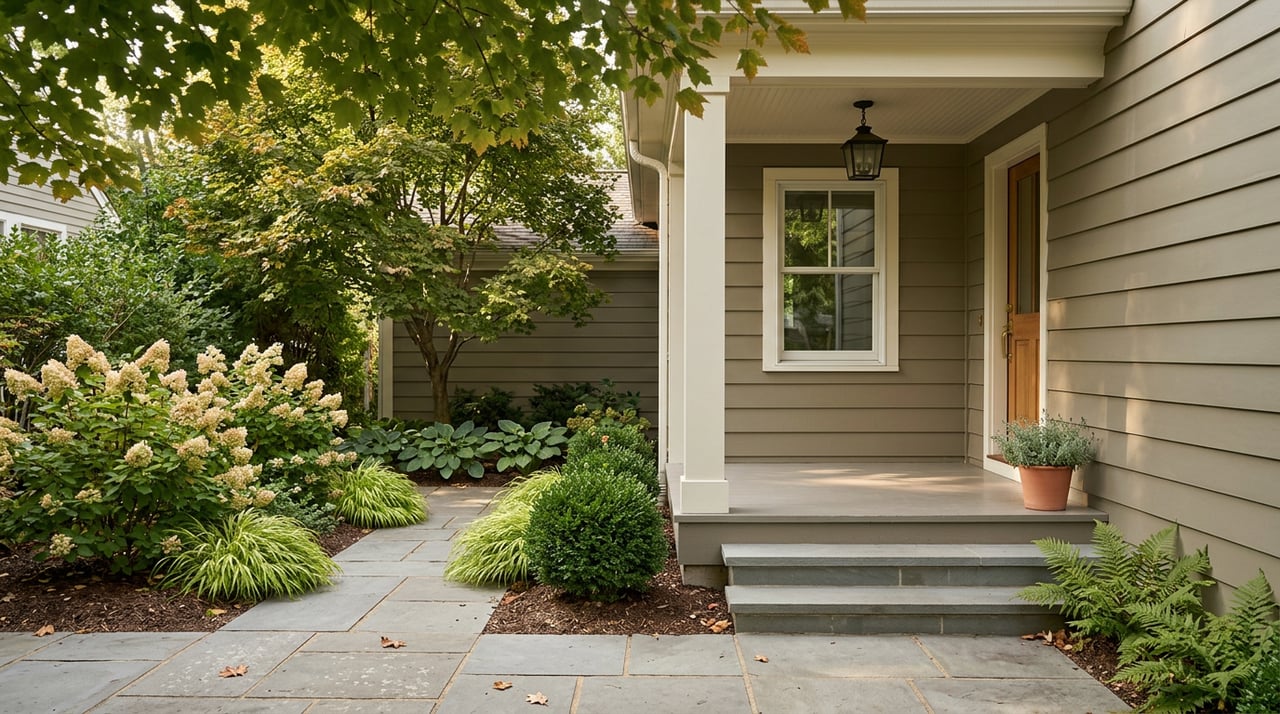
- Boost curb appeal. Tidy beds, prune shrubs, seed or mow the lawn, and pressure wash where needed.
- Gather documents like warranties, manuals, permits, utility bills, and any HOA materials.
Weeks 5–6: Staging and marketing assets
- Stage high-impact rooms and remove personal photos to help buyers focus.
- Schedule professional photography. Consider drone or a virtual tour if suitable.
- Produce floor plans and room measurements.
- Finalize pricing and set a review plan if activity is slow after launch.
- Prepare your property description and highlight community conveniences in neutral terms.
Weeks 7–8: Final checks and list
- Complete touch-ups, final cleaning, and a staging refresh.
- Move or secure personal items and make a plan for pets during showings.
- Confirm all documents are ready. Your agent lists on the MLS and launches marketing.
- Schedule the first weekend of showings and an open house if it fits your strategy.
First 30–45 days after listing
- Track showings, feedback, and days on market.
- Review results within 1 to 2 weeks in faster markets, or by 3 to 4 weeks in slower periods.
- Adjust price or marketing if you miss early activity benchmarks.
Clifton Park timing tips
- Plan for spring photos. Exterior shots look best when landscaping is green and skies are clear.
- Back into your closing date. If you want a June close, aim to hit the market by March or April.
- Off-season strategy. Price with precision and lean on presentation to attract serious winter buyers.
- Use rolling averages. Small monthly samples can be noisy, so compare multi-year seasonal patterns.
Pricing and launch strategy
Price is your most powerful lever. Use current days on market, months of supply, and list-to-sale ratios to set a competitive range. Revisit your price if you do not see strong traffic or credible offers in the review window you set with your agent.
Launch with complete marketing on day one. Strong presentation, professional media, and wide MLS exposure help you reach the most buyers early. Keep your home show-ready during the first two weekends, when interest is usually highest.
How we can help
You deserve timing advice grounded in Clifton Park data and a listing launch that looks and feels premium. Our team combines local market expertise with professional digital marketing and fast, coordinated service. We can pull the latest monthly trends, build a pricing plan that fits your goals, and manage every detail from staging to showings.
Ready to talk timing and value for your Clifton Park home? Connect with Jamie M Mazuryk for a data-backed plan and a smooth, confident sale.
FAQs
What is the best month to list in Clifton Park?
- Many sellers see the widest buyer pool from March through June. Confirm the current year’s spring trends by reviewing local monthly days on market and pricing with your agent.
Is winter a bad time to sell in Clifton Park?
- Not necessarily. Winter often has fewer buyers, but they tend to be serious. With low inventory and sharp pricing, a winter listing can still sell well.
How long does it take to prepare a home to sell?
- Many homes are list-ready in 30 to 60 days. Follow a plan that covers repairs, staging, and professional photos to make your launch count.
How much can timing affect my sale price?
- Timing influences demand and competition. In peak months, sellers often see faster sales and stronger list-to-sale ratios, but well-priced homes can sell in any season.
What could change the best time to sell this year?
- Interest rate shifts, changes in local employment, new inventory, or policy changes on taxes can all affect the season’s strength. Review fresh local data before you list.