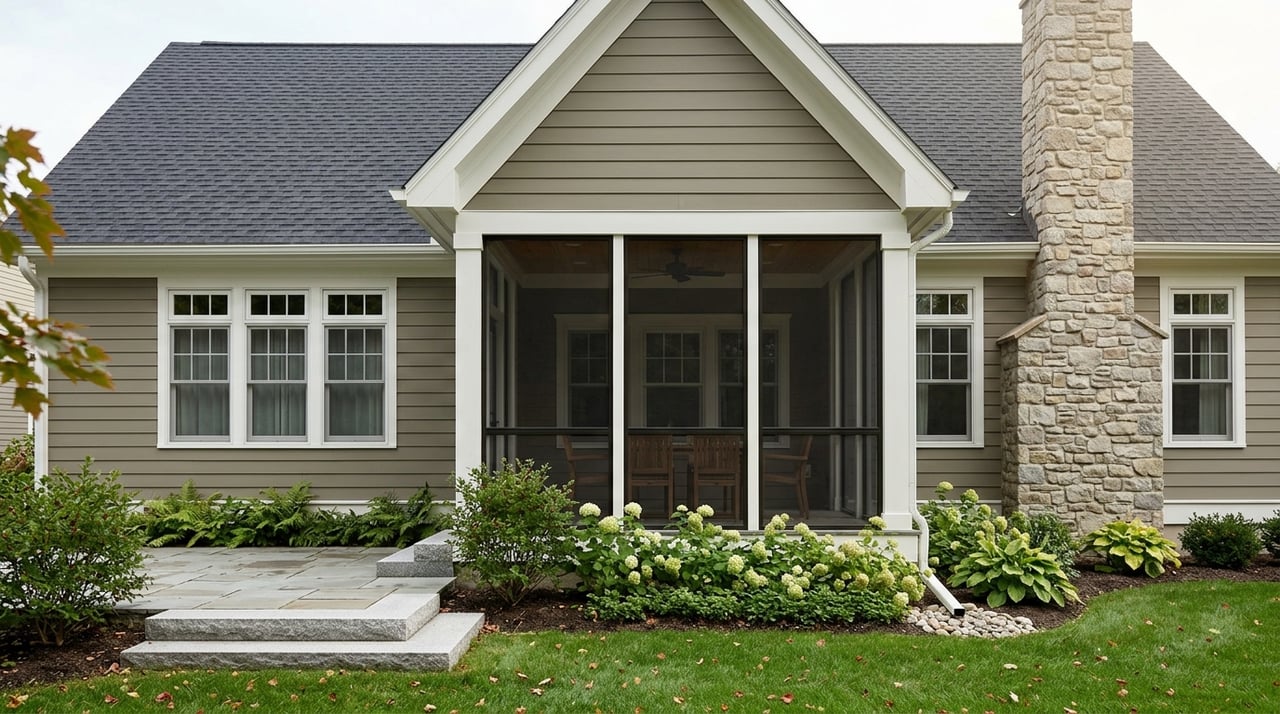
Lake George Vacation Home Buying: What to Review
Dreaming about a place on Lake George? It is easy to focus on the view, the dock, or the idea of summer weekends by the water. But buying a vacation home here also means understanding local rules, seasonal pressures, and property details that can shape how you use the home after closing. This guide walks you through the key considerations so you can buy with more confidence and fewer surprises. Let’s dive in.
Lake George is more than a simple second-home market. It is a seasonal destination where vacation housing, short-term rentals, and workforce housing all compete for limited inventory.
A Town and Village workforce housing study estimated demand for 1,375 seasonal worker beds and 440 year-round workforce units over five years. A separate Warren County housing study also noted that Adirondack towns are competing with seasonal residents and the short-term rental market for housing.
That context matters if you are buying for personal use, rental income, or both. It can affect inventory, pricing, and the pace of decision-making when the right property comes on the market.
The Warren County housing study found that Lake George median sale prices grew 32% from 2019 to 2022. That kind of growth can make the area appealing to buyers looking for a lifestyle purchase with long-term value.
At the same time, the same study warns that condo sales in Lake George may be heavily influenced by fractional-ownership or timeshare-style transactions. In other words, not every condo sale is a clean apples-to-apples comparison with a traditional vacation home.
Not all Lake George properties work the same way. Before you fall in love with a listing, make sure you understand whether it is a conventional single-family home, a condo, a fractional-ownership offering, or a property tied to tourist accommodation rules.
According to the Town of Lake George code, tourist accommodations and residential rentals are treated separately. That distinction can affect how the property is used, permitted, and marketed.
If you are considering a condo, ask whether the ownership is full ownership, fractional ownership, or something closer to a timeshare structure. This matters for financing, future use, and resale.
It also matters because Fannie Mae occupancy rules say a second home generally must be a one-unit property suitable for year-round occupancy, occupied by you for part of the year, under your exclusive control, and not a rental property or timeshare arrangement. Rental income from a second home generally cannot be used to qualify.
On Lake George, the land and shoreline can be just as important as the house. Waterfront due diligence should go well beyond finishes, square footage, and views.
The Lake George Park Commission says docks and moorings require permits for new construction or modification, and docks and moorings must be registered annually. Review can also involve notice periods with adjacent owners, the town, and the Adirondack Park Agency.
If a property includes a dock or mooring, ask for the current permits and registration records before you write an offer. Do not assume an existing structure is fully compliant just because it is already there.
For many buyers, lake access is a major reason to purchase. If that access is limited, unpermitted, or difficult to modify, the value of the property may feel very different after closing.
Lake George is part of a special-protection lake system. That means shoreline work, stormwater handling, and wastewater placement deserve close review.
The Adirondack Park Agency shoreline restrictions state that new leaching facilities must be at least 100 feet from water bodies in the Town and Village of Lake George. Those same site constraints can affect what you can expand, renovate, or add later.
A Lake George vacation home is not only a summer property. If you plan to use it year-round, or even hold it through the off-season, you will want to understand winter upkeep.
Regional climate data from the National Weather Service shows persistent snowpack and roughly 100 or more inches of snowfall on average in higher-elevation Adirondack areas. While that is a regional measure rather than a Lake George-only average, it is still a practical reminder to budget for snow removal, winterization, and freeze-thaw wear.
Before buying, ask about:
These details may not be as exciting as the lake view, but they can have a real impact on ownership costs and convenience.
If you hope to offset costs with rentals, Lake George rules deserve careful attention. A property that looks like a strong rental on paper may not work the way you expect in practice.
The Town of Lake George code allows short-term residential rentals of 30 days or less only with a permit. The permit is annual, due by June 1, and short-term rentals are prohibited in several zoning districts.
Permitted short-term rentals must meet requirements for parking, garbage facilities, occupancy, septic capacity, and a local emergency contact. The town also ties occupancy to bedroom count and septic capacity, requires a county property-maintenance inspection, limits parking, and can revoke permits after violations.
One especially important point for buyers is that grandfathered short-term rental status can be lost when ownership changes. That means you should treat any existing permit or grandfathered status as a due-diligence item, not an automatic benefit that transfers with the property.
If you are buying with rental income in mind, focus on net income, not just peak-season nightly rates. Taxes, registration, inspections, and permit compliance can all affect the real numbers.
According to Warren County, short-term rental owners must register and collect a 4% occupancy tax. New York State also began imposing state and local sales tax on short-term rental unit occupancy on March 1, 2025.
Warren County warned in May 2025 that some booking platforms were not collecting the county occupancy tax. Owners should verify remittance directly instead of assuming the platform is handling every tax obligation.
If rental income is part of your strategy, your planning should include:
The best Lake George buyers start asking detailed questions early. A little extra work before an offer can help you avoid expensive surprises later.
Ask your lender whether the property will be underwritten as a second home or an investment property. That distinction can affect down payment expectations, rates, and how income is treated.
This is especially important for condos, fractional offerings, or homes you plan to rent regularly. As noted in Fannie Mae’s occupancy guidance, second-home rules are more specific than many buyers realize.
Ask whether the septic system supports your intended guest count. In Lake George, occupancy limits are linked to septic capacity and bedroom count under the local code.
You should also ask for details on dock or mooring permits, shoreline approvals, drainage, roof condition, and winter access. If the home is near the water, checking the property in the FEMA Flood Map Service Center is also a smart step.
Ask which zoning district applies and whether short-term rentals are allowed there. Request any available documents on current permits, grandfathered status, county occupancy-tax registration, state sales-tax setup, and HOA or condo rules.
In Lake George, these details can affect both your day-to-day use and your long-term costs. A home that fits your goals on day one should also still fit your goals after you understand the rules.
Lake George can be an incredible place to own a vacation home. But the best purchase is not always the one with the prettiest photos. It is the one that matches how you want to use the property, what you can comfortably maintain, and what local rules actually allow.
When you look closely at zoning, septic capacity, dock and mooring status, financing, and rental compliance, you put yourself in a much stronger position to buy well. If you are considering a Lake George vacation home and want clear, practical guidance from a local team that understands both neighborhood markets and destination properties, connect with Jamie M Mazuryk.



Whether you’re starting fresh, moving up, or investing in what’s next, our mission is to make sure your next move feels just right. It’s more than real estate, it’s your next chapter, and we're here to help you turn the page with confidence.