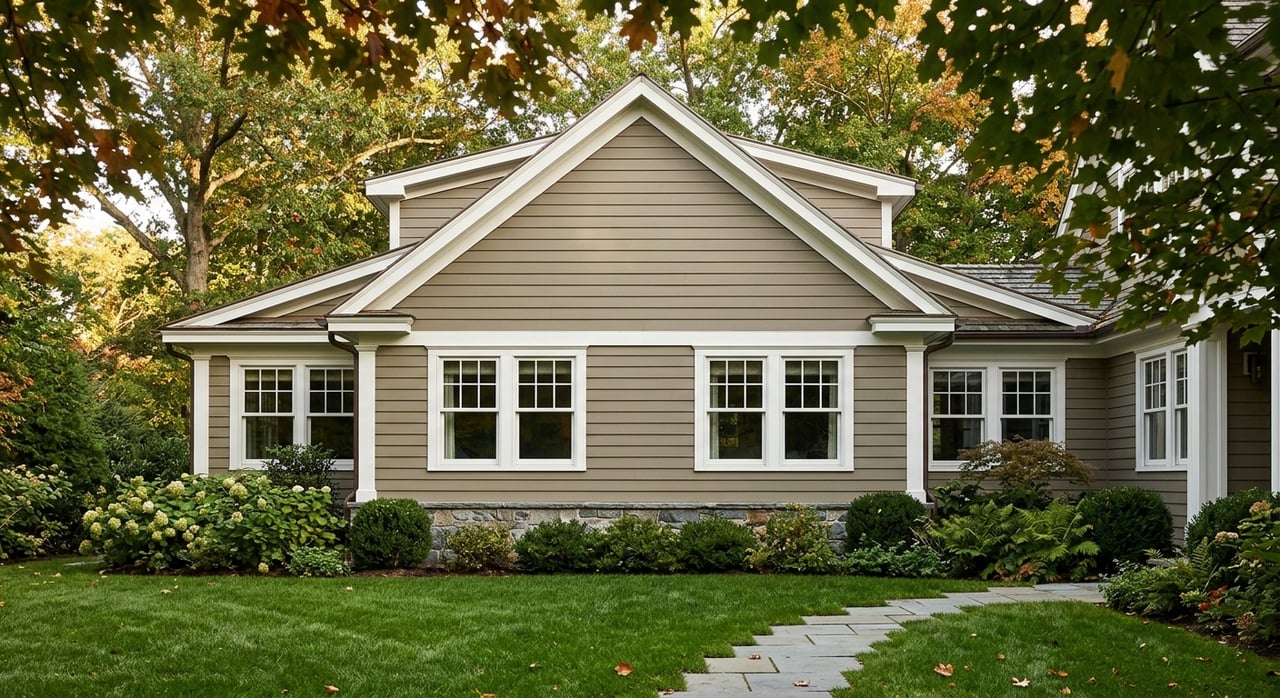
Ballston Spa Or Saratoga Springs? Comparing Homes And Lifestyle
Trying to choose between Ballston Spa and Saratoga Springs? You are not alone. Both places sit in Saratoga County and offer strong appeal, but the day-to-day experience can feel very different depending on what kind of home, pace, and downtown access you want. This guide will help you compare housing, walkability, commuting, and lifestyle so you can get clearer on which location fits you best. Let’s dive in.
If you are deciding between these two areas, the biggest difference is scale. Ballston Spa feels more like a compact historic village with a neighborhood-centered downtown, while Saratoga Springs feels larger, busier, and more amenity-rich.
That does not mean one is better than the other. It means each one tends to serve a different lifestyle. Your best fit often comes down to whether you want a quieter village setting or a more active city environment.
Ballston Spa has about 2,480 housing units, according to the village comprehensive plan. Roughly 57% are owner-occupied and 37% are rented, and the housing stock is still mostly made up of single-family homes.
The village also has a strong historic character. At least 70% of Ballston Spa was built before 1950, which helps explain why many streets and homes feel established, traditional, and closely tied to the village’s older layout.
You will also find some two-family, three-family, and mixed-use properties. Still, if you picture a historic village with a mostly single-family residential feel, Ballston Spa is often the clearer match.
Saratoga Springs offers a broader housing mix and a more urban-historic pattern. The city includes multiple historic districts around areas such as Broadway, Congress Park, Union Avenue, North Broadway, and the East Side.
The city’s planning documents have emphasized preserving existing housing while encouraging more residential options in the urban core. That creates a more varied housing environment, especially near downtown and in historic neighborhoods.
Current Census QuickFacts show an owner-occupied housing unit rate of 57.8% in Saratoga Springs, with a median value of owner-occupied housing units of $478,100. If you want more housing variety and a city setting with historic depth, Saratoga Springs may feel like the better fit.
Ballston Spa’s downtown is one of its biggest draws. The village describes it as an easy walk from nearby homes, with Front Street and Milton Street serving as the core for restaurants, coffee shops, antiques, shopping, and community events.
The feel is smaller-scale and more intimate. You can enjoy local businesses and village events without the busier rhythm that often comes with a larger destination city.
That said, the village comprehensive plan notes some gaps in sidewalk connectivity and bicycle infrastructure. So while downtown Ballston Spa is walkable, it is better described as a walkable village center than a fully built-out pedestrian network.
Saratoga Springs has the more developed downtown system. The city reports 94 miles of sidewalks and has been recognized as a Bronze-Level Walk Friendly Community.
Broadway serves as the main downtown commercial street, with retail, offices, hotels, institutions, and high pedestrian activity. If you want a place where downtown life plays a bigger role in your routine, Saratoga Springs usually offers more density and more options.
The city also has a Missing Sidewalk Links program focused on improving connections within a one-mile radius of the urban core. That continued investment supports the city’s more walkable day-to-day feel.
Ballston Spa offers a quieter recreational setting. Village park amenities include spaces for swimming, hiking, jogging, kayaking, and skateboarding.
The village also leans into community-based events. Its downtown calendar includes parades, farmers markets, car shows, concerts in the park, First Fridays, and sidewalk sales.
If you enjoy a more local, small-town rhythm, that community calendar can be a big part of the appeal. It supports a hometown atmosphere without the larger event-driven energy of a bigger city.
Saratoga Springs has a wider range of recreation and entertainment options. City parks and recreation offerings include ice rinks, sports fields, a bike park, and Waterfront Park for picnicking, kayaking, and canoeing.
The area is also described as a year-round destination with major attractions, arts and culture, restaurants, boutique shopping, and nightlife. For many buyers, that means more ways to spend a weekday evening or weekend without leaving town.
If you want more variety built into your daily life, Saratoga Springs often has the edge. If you prefer a calmer routine with community events woven into a smaller setting, Ballston Spa may feel more comfortable.
Ballston Spa tends to be more car-first, though it still offers some transit support. The village’s main travel corridors are Route 50 and Route 67, which carry the highest traffic.
CDTA serves the village with Route 450 and the Northway Express commuter service, and the village has 12 bus stops. The village is also located minutes from Exit 12 on the Northway, with Route 50 and Malta Avenue connecting to U.S. Route 9 and Interstate 87.
The village’s 2023 comprehensive plan notes that many residents work outside the village. That lines up with Ballston Spa’s role as a residential community connected to nearby job centers.
Saratoga Springs offers a stronger mix of transportation choices. CDTA lists several routes serving the city, including Route 450, Route 451, Route 452, Route 540, and Route 875.
The city also has an Amtrak station at 26 Station Lane. That adds another layer of convenience for people who value regional rail access along with local transit and walkability.
For many buyers, the practical takeaway is simple. If you expect to drive most places, Ballston Spa may work well. If you want more transit options and a more walkable urban core, Saratoga Springs gives you more built-in flexibility.
Ballston Spa describes itself as a charming historic community with a friendly hometown atmosphere. That identity shows up in its compact downtown, older buildings, and community-centered events.
If you want a tighter downtown, a more residential feel, and a quieter village routine, Ballston Spa often checks those boxes. It can be a strong fit for buyers who value character and a smaller-scale street pattern.
Saratoga Springs feels more energetic and event-driven. Its larger downtown, multiple historic neighborhoods, arts and culture scene, dining options, and nightlife create a different everyday experience.
If you enjoy having more activity around you and want easier access to shopping, dining, parks, and transit, Saratoga Springs may be the better match. It tends to appeal to buyers who want more movement and more amenities built into city life.
The right choice depends on how you want to live, not just where you want to buy. A helpful way to compare them is to think about what matters most in your weekly routine.
Ask yourself:
In general, Ballston Spa fits buyers looking for a historic village atmosphere with a residential feel, while Saratoga Springs fits buyers who want more downtown energy, amenities, and transportation options.
If you are comparing both areas in person, it helps to look beyond listing photos. Pay attention to street layout, parking, sidewalk connections, traffic patterns, and how each downtown feels at the time of day you would actually use it.
Choosing the right town is really about matching your home search to your lifestyle. If you want help comparing neighborhoods, home styles, and daily convenience in the Saratoga area, Jamie M Mazuryk can help you narrow your options with local insight and responsive guidance.

Whether you’re starting fresh, moving up, or investing in what’s next, our mission is to make sure your next move feels just right. It’s more than real estate, it’s your next chapter, and we're here to help you turn the page with confidence.