Choosing Between Albany Historic and New Homes
Torn between a sunlit Albany brownstone and a turnkey new build? You are not alone. Each path offers real benefits, from architectural character to modern comfort, and the right choice comes down to your timeline, budget, and lifestyle. In this guide, you will learn what “historic” means in Albany, how permits and incentives work, what to inspect, and how new construction compares on energy, maintenance, and resale. Let’s dive in.
If a home sits in a locally designated historic district or is a local landmark, exterior work visible from the street usually requires a Certificate of Appropriateness from the Historic Resources Commission in addition to standard permits. You can review procedures and the meeting schedule on the city’s Historic Resources Commission page. See the city’s guidance on historic districts to understand local versus National Register status and what each means for design review.
National Register listing often opens doors to incentives, but it does not, by itself, impose local design controls. Local designation is what triggers the city review for exterior changes that are visible from the public way.
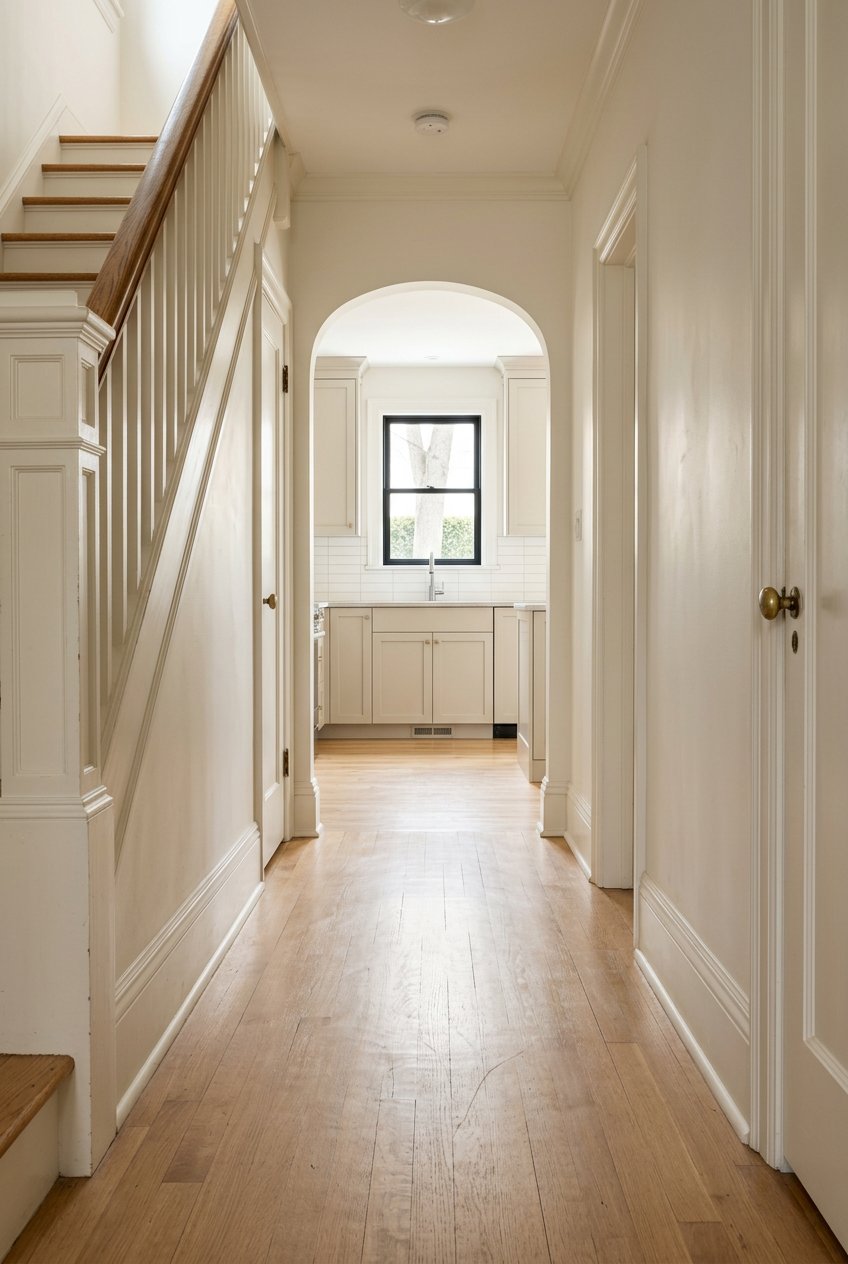
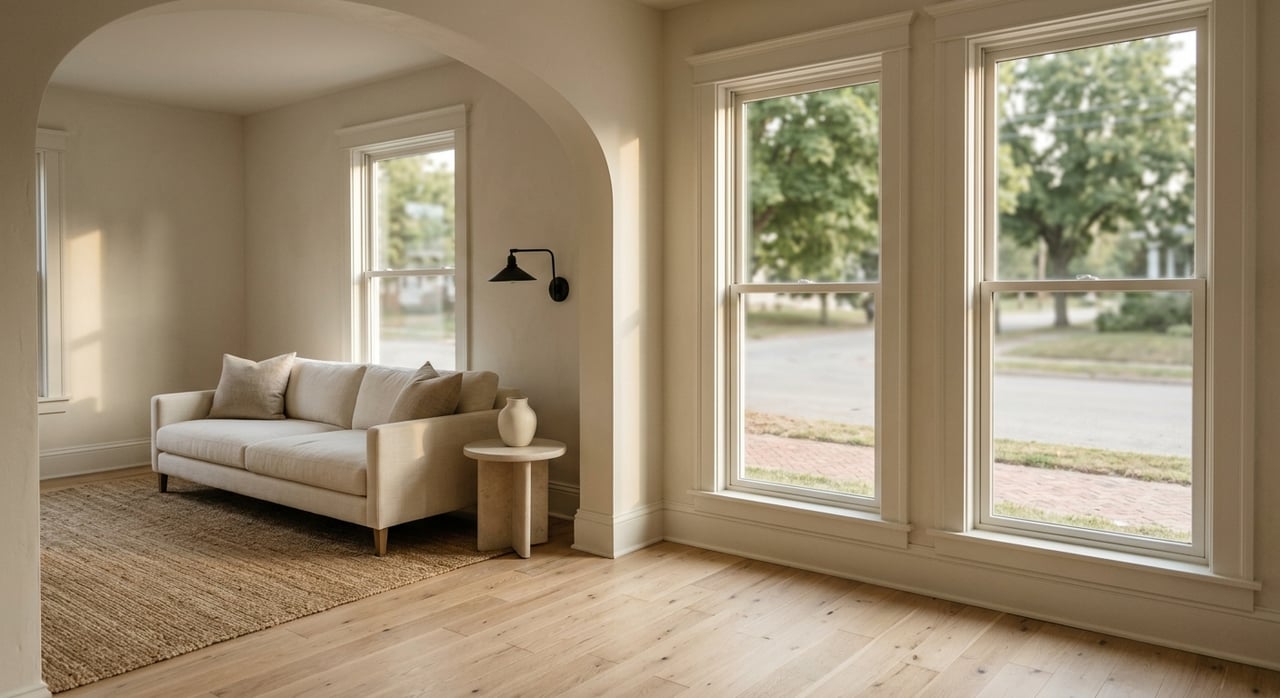
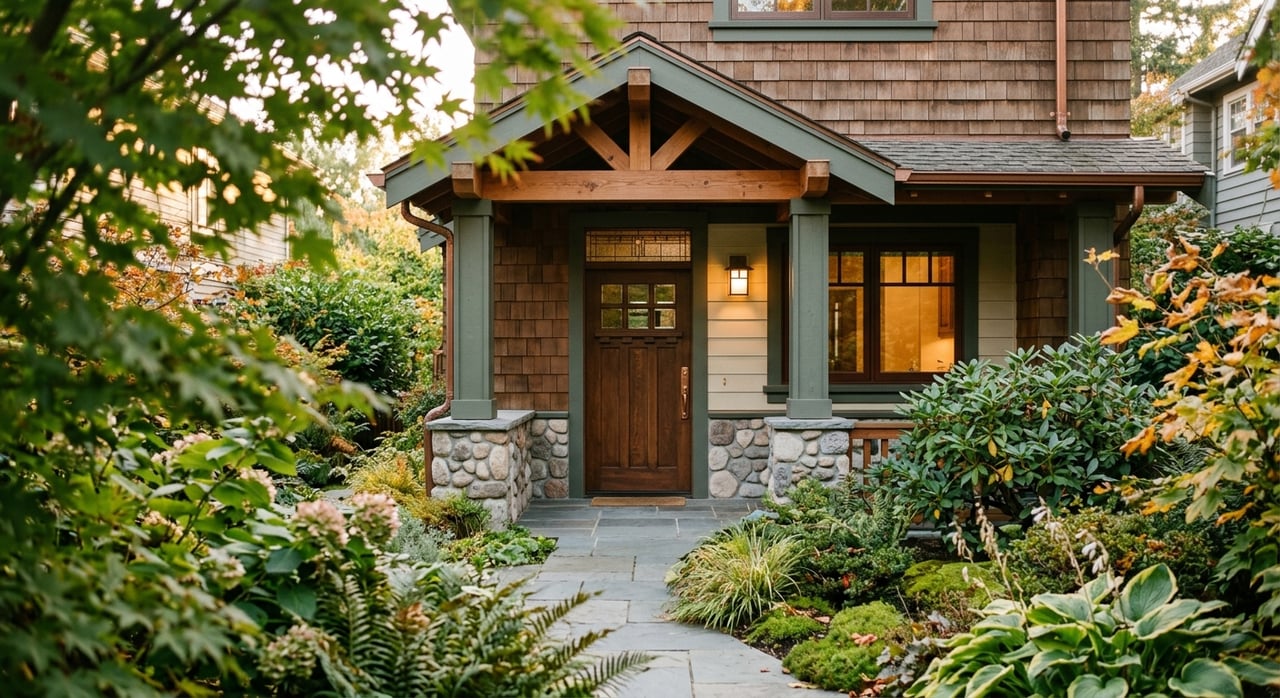
Albany’s classic in-city neighborhoods include rowhouses and townhomes from the late 19th and early 20th centuries, plus period detached homes. You will often find tall ceilings, formal parlors, plaster walls, decorative millwork, and narrow but elegant floor plans across two to four stories. Many attached brick blocks offer rear yards and, in some cases, former carriage spaces that have been adapted over time.
Expect ongoing care for masonry, wood trim and windows, and slate or older roof systems. Historic envelopes often benefit from specialized maintenance plans that respect original materials. For a deeper look at appropriate care methods, the Whole Building Design Guide offers a helpful overview of operations and maintenance for historic structures: Historic O&M practices.
Recent construction typically delivers open floor plans, larger kitchens, first-floor laundry, high-performance windows, and modern electrical panels with room for EV charging. Many builders target higher energy performance by design. NYSERDA’s builder programs and case studies show how well-executed new construction can significantly reduce energy use: NYSERDA high-performance example.
Many reputable builders provide a warranty structure similar to 1 year for workmanship, 2 years for systems, and 10 years for major structural issues. Even with a warranty, you should plan a thorough pre-closing inspection and a clear punch-list process so defects are addressed before you move in.
A simple planning guide is to set aside about 1 to 4 percent of a home’s value per year for maintenance and repairs, often on the higher end for pre-1950 houses that still have original systems. See this general maintenance budgeting reference: Annual home maintenance guide.
Older homes can become far more efficient with careful air sealing, insulation, and heat-pump technology. New York’s EmPower+ program can offset costs, with additional help for income-eligible households. Start with program details here: NYSERDA EmPower+.
If a property is in a local historic district, you will need a Certificate of Appropriateness for visible exterior work, including windows, stoops, siding, additions, and demolition. Build in time for application preparation, photos, and a review cycle. Get the latest submittal requirements and schedule on the city’s HRC page: Historic Resources Commission.
If you plan to rehabilitate a historic home, New York State offers homeowner-focused historic rehabilitation credits that can cover a percentage of qualified costs if you meet program criteria and obtain pre-approval. Read current eligibility and application steps here: NYS Historic Homeowner Tax Credit.
For income-producing properties, the federal Historic Rehabilitation Tax Credit may apply after certification through the National Park Service and the IRS. Program overview and impact data are available here: NPS Federal Historic Tax Credit.
The Historic Albany Foundation maintains resources and can help you understand preservation-friendly practices and find experienced contractors. Explore their guides and contacts: Historic Albany Foundation resources.
You value period details, established streetscapes, and proximity to downtown amenities. You are open to phased improvements and comfortable lining up specialized contractors. You will benefit from learning the COA process and pre-qualifying energy upgrade incentives.
You want space that lives easily from day one, with efficient systems and fewer unknowns. You plan to lean on builder warranties and prefer to focus on furnishings, not rewiring or masonry.
Ready to compare real homes side by side? Reach out to schedule a focused tour plan that fits your goals. When you are ready to move, contact Jamie M Mazuryk for clear guidance and responsive, local expertise across the Capital Region.
Whether you’re starting fresh, moving up, or investing in what’s next, our mission is to make sure your next move feels just right. It’s more than real estate, it’s your next chapter, and we're here to help you turn the page with confidence.