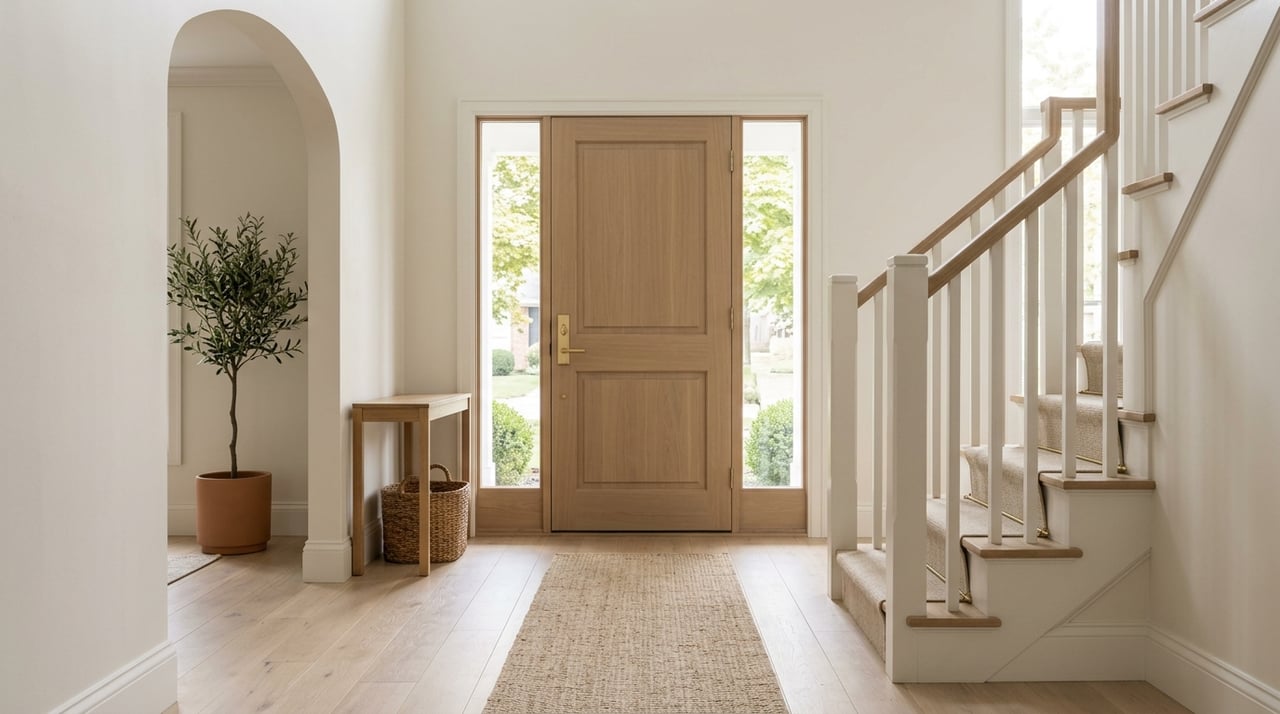
Buying Your First Home in Albany With Confidence
Ready to stop renting in Albany but not sure how to make the jump? You are not alone, and you are not behind. Many renters reach a point where they want more stability, more control over their space, and a clearer path forward, but Albany’s fast-moving market can make the process feel intimidating. The good news is that with the right preparation, local financing knowledge, and a clear plan, moving from renter to owner can feel much more manageable. Let’s dive in.
If you are serious about buying in Albany, preparation matters more than ever. The Greater Capital Association of Realtors reported in May 2026 that the City of Albany had a median sales price of $267,200, just 55 homes in inventory, 23 days on market, and 1.2 months of supply. In Albany County, the median sales price was $334,000, with 249 homes in inventory, 19 days on market, and 1.3 months of supply.
Those numbers point to a market with limited inventory and quick decision-making. Both the city and county reports also showed homes closing at 102.1% of original list price received for the month. For you, that means it helps to have your budget, documents, and financing lined up before you start touring homes.
One of the biggest first-time buyer mistakes is focusing only on the monthly mortgage payment. Owning a home includes more than that. SONYMA notes that property taxes, homeowner’s insurance, repairs, and maintenance are all part of the long-term cost of homeownership.
You should also plan for upfront costs. Closing costs typically run about 2% to 5% of the purchase price, and you may need extra cash for moving expenses, utility setup, repairs, and basic furnishings. A realistic monthly and upfront budget can help you shop with more confidence.
A lot of renters assume they need a huge down payment to buy. In reality, many loans require as little as 3% down, and SONYMA’s Low Interest Rate Program allows down payment requirements as low as 3%. SONYMA also offers 3% down payment assistance through its Down Payment Assistance Loan program.
That said, a lower down payment does not mean you should stretch your budget. SONYMA says buyers should have good credit, stable employment, and the ability to manage existing debt obligations. Buying works best when the payment fits your life, not just when you qualify on paper.
Before you start seriously shopping, get preapproved. A preapproval letter helps sellers see that you are a serious buyer, and sellers often want one before they accept an offer. In a market like Albany, that can make a real difference.
The CFPB recommends asking at least three lenders for preapproval. This gives you a better sense of your loan options, estimated monthly payment, and how different terms may affect your budget. It is important to remember that preapproval is tentative and is not the same as a final loan commitment.
Preapproval usually goes more smoothly when your paperwork is ready. While each lender may ask for slightly different items, buyers often need proof of income, employment information, asset statements, and identification. Getting organized early can save time when the right home hits the market.
It also helps you act faster once you find a home you like. In a market with low inventory and homes moving quickly, delays can cost you opportunities.
One of the most encouraging parts of buying in Albany is that local and state programs may help qualified buyers with down payment costs, closing costs, education, and guidance.
The City of Albany’s Choose Albany program offers a zero-percent loan of up to $8,500, equal to 5% of the purchase price, for qualified buyers purchasing in the city. The program has no income restrictions, applies citywide, requires owner occupancy, limits purchases to homes priced at $270,000 or less, and requires a five-year occupancy period.
That purchase-price limit is notable because it is close to the City of Albany’s May 2026 median sale price of $267,200. For entry-level city buyers, that means the program may line up well with current pricing.
The City of Albany’s Home Acquisition Program can provide up to $25,000 toward down payment and or closing costs for qualified buyers. The program is citywide and applies to one- to four-unit owner-occupied homes. As of December 1, 2025, the one-family purchase-price limit was $272,000.
If you are trying to reduce the amount of cash needed upfront, this program may be worth exploring. Assistance like this can be especially meaningful when you are balancing a down payment with closing costs and moving expenses.
Albany County created a First-Time Homebuyer Navigator Program with the Affordable Housing Partnership. According to the county, the navigator offers hands-on help with funding opportunities, the step-by-step buying process, and counseling on SONYMA, FHA, and 203k rehab loans.
The county says the program focuses primarily on low- and moderate-income buyers. If you are not sure where to begin, this kind of guided support can help you understand your options before you commit.
SONYMA’s Low Interest Rate Program offers a 30-year fixed-rate mortgage, no points, down payment requirements as low as 3%, and assistance that can help with down payment, closing costs, and mortgage insurance. The program is generally for first-time buyers unless the borrower is an eligible veteran or is buying in a target area.
SONYMA also partners with nonprofit housing counseling agencies for online classes, workshops, and one-on-one counseling. If you are moving from renting to owning for the first time, education can help you feel more confident about each step.
Albany’s current market conditions suggest that hesitation can be expensive. With 1.2 months of supply in the city and 1.3 months in the county, buyers are dealing with limited choices and strong competition. Homes also moved quickly in May 2026, with 23 days on market in the city and 19 days in the county.
In practical terms, that means you need a clear plan before you start touring. You should know your budget ceiling, your financing status, and your must-haves versus nice-to-haves. This is often what helps renters move from browsing to buying.
A fast market does not mean you should rush without thinking. It means you should make key decisions in advance. Decide what monthly payment feels comfortable, what neighborhoods or housing types fit your needs, and where you have flexibility.
That way, when a home checks the right boxes, you can move quickly without feeling reckless. A strong offer usually starts long before the offer itself.
Because some City of Albany assistance programs cap eligible purchases around $270,000 to $272,000, your budget may shape where you focus your search. If you want to stay within those program limits, city purchases may offer a better fit for assistance.
If your target price is higher, you may need to compare Albany with other nearby Capital Region options. The right path depends on your budget, your goals, and whether local assistance changes the math for you.
In upstate New York, the transaction process may feel different from what you see in national real estate content. The New York State Bar Association says a real estate agent often prepares the offer or contract, subject to attorney approval. Buyers should get legal advice before signing anything, or immediately after signing if the contract is subject to attorney review.
Knowing this local sequence can help you feel more prepared. It also helps you avoid confusion once you move from touring homes to making an offer.
New York’s Property Condition Disclosure Act requires sellers of most residential real property to deliver a signed disclosure statement before a binding contract is signed. The law treats the form as a statement of the seller’s actual knowledge, not a warranty. It is also not a substitute for inspections or environmental testing.
The law generally applies to one- to four-family homes and excludes condos and co-ops. For buyers, the key takeaway is simple: read disclosures carefully, but do not treat them as the final word on a property’s condition.
After your offer is accepted and you choose a lender, the focus shifts to closing tasks. That often includes providing updated documents, scheduling an independent home inspection, and shopping for homeowner’s and title insurance.
The home inspection should happen as soon as possible after choosing a home. If your contract includes an inspection contingency and the results are unsatisfactory, you may be able to cancel without penalty. Your lender will also generally require an appraisal.
Before closing, a final walk-through helps confirm that the home is in the expected condition and that any agreed repairs were completed. It is a simple step, but it matters.
The closing itself is the last step. At closing, you sign the legal documents, pay the remaining purchase price and closing costs, and receive title to the home.
If you want to move from renter to owner in Albany, focus on the steps that give you leverage early. Start by building a full budget, not just a mortgage estimate. Then compare lenders, get preapproved, and learn which city, county, and state programs may fit your situation.
From there, be ready to act when the right home appears. In a tight Albany market, the buyers who feel the calmest are usually the ones who prepared before they started shopping. With the right local guidance and a clear plan, you can make the transition with more confidence.
If you are thinking about buying in Albany or anywhere in the Capital Region, Jamie M Mazuryk can help you understand the market, prepare your next steps, and move forward with a strategy that fits your goals.



Whether you’re starting fresh, moving up, or investing in what’s next, our mission is to make sure your next move feels just right. It’s more than real estate, it’s your next chapter, and we're here to help you turn the page with confidence.