Hudson NY Historic Homes for Modern Hudson Living
If you want a home with character, Hudson makes a strong first impression. In just a few blocks, you can find Federal-era buildings, Victorian homes, rowhouses, and repurposed industrial spaces that now support modern living. If you are weighing a move, second home, or lifestyle purchase here, it helps to understand both the charm and the practical realities. Let’s dive in.
Hudson stands out because it is not just a place with a few old houses scattered around town. It has a compact, walkable urban core with a mostly intact street grid, dense housing, and a mix of single-family homes, townhouses, apartments, and reused industrial buildings.
That variety shapes the city’s appeal. You are not only buying architecture. You are stepping into a place where historic buildings, local businesses, arts spaces, and riverfront destinations all sit close together.
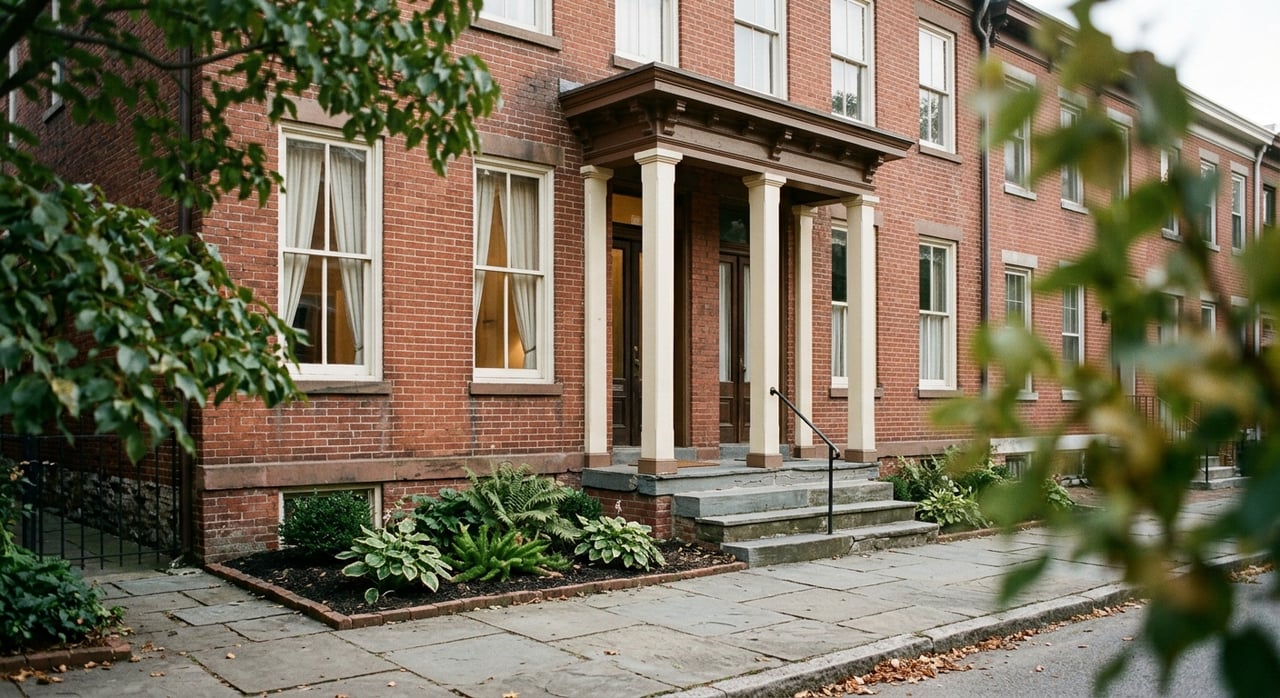
Hudson includes examples from many major American design periods, including Federal, Victorian, Arts and Crafts, and Art Deco loft-style spaces. The city also includes late-19th- and early-20th-century rowhouses, which add to its distinct attached residential fabric.
This matters when you start your home search. In Hudson, a historic property might mean a freestanding house with original details, a townhouse on a traditional block, or a former industrial building that has been adapted for contemporary use.
One of Hudson’s strengths is that older buildings are part of daily life, not just preserved as isolated showpieces. The city’s built environment tells a broader story, with attached homes, detached homes, and adaptive reuse projects all contributing to the feel of the neighborhood.
That gives buyers more range. You may be looking for period details like original moldings and tall windows, or you may be drawn to a loft-like space in a repurposed building with a more flexible layout.
Hudson Hall is housed in a landmark building that contains New York State’s oldest surviving theater. Basilica Hudson adds another layer to the city’s identity as a reclaimed 1880s factory that now serves as an arts center on the waterfront.
These spaces help show what makes Hudson work so well for modern buyers. The city values older structures, but it also embraces thoughtful reuse that supports gathering, culture, and contemporary life.
For many buyers, the biggest draw is not just the home itself. It is what daily life feels like once you live there.
Hudson’s core is compact and walkable, and Warren Street is described in state planning materials as very walkable. Visit Hudson also frames the city as eminently walkable, with history, food, art, culture, and local commerce clustered in a small area.
If you want a car-light lifestyle, Hudson may offer more convenience than many upstate markets. The concentration of homes, shops, dining, and cultural spaces means you can often handle errands, meals, and weekend plans without a long drive.
That kind of access changes how a home functions. A smaller in-town property can feel more livable when so much of your day-to-day routine happens just outside your front door.
Hudson has more than 200 independent establishments and over 50 antiques dealers in the core and nearby warehouse areas. It is also known for a farm-to-table food scene, with restaurants, food shops, galleries, and makers located close together.
That mix supports a lifestyle many buyers want right now. You get the visual appeal of a historic city along with the practical benefit of easy access to dining, browsing, and local events.
Hudson’s cultural life is reinforced by institutions that operate in historic spaces. Hudson Hall offers year-round visual arts, performing arts, and educational programming, while Basilica Hudson hosts music festivals, film screenings, markets, residencies, and community gatherings.
The riverfront adds another dimension. State planning materials highlight Promenade Hill, Henry Hudson Riverfront Park, and public access near the station area, along with Hudson River and Catskill Mountain views from many points in the district.
Hudson is about 120 miles north of New York City and about 45 miles south of Albany. That location, paired with rail service, helps explain why the city appeals to buyers looking for a weekend base, occasional commuter home, or second residence.
Amtrak lists Hudson as a staffed station with ticketing and restrooms. Current schedules show Hudson served daily by Empire Service and Adirondack routes, with Berkshire Flyer service on Fridays and Sundays.
For buyers thinking beyond a full-time primary residence, that access can be a real advantage. You can enjoy a historic, walkable river city without feeling cut off from larger metro connections.
The lifestyle is appealing, but older homes also come with responsibilities. In Hudson, understanding the local review process and likely renovation issues early can help you avoid surprises.
Hudson’s historic preservation rules require a certificate of appropriateness for exterior alterations, additions, restoration, reconstruction, demolition, new construction, or moving a property in landmarks and historic districts. This approval must be obtained before a building permit.
The city generally does not review interior spaces unless they are specifically landmarked. For many buyers, that means interior updates may be more flexible than visible exterior changes.
Buying historic does not mean you are frozen in time. Hudson’s code says historic features should be altered as little as possible, while new work should remain compatible with the district.
There is room for updates, but the process matters. Even some minor cosmetic exterior changes may still go through the certificate-of-appropriateness process, though the commission can waive a public hearing for certain smaller items, such as some window replacements.
If a home was built before 1978, lead-based paint is a key issue to keep in mind. The EPA says renovation, repair, and painting in pre-1978 housing can create dangerous lead dust, and contractors doing lead-disturbing work must be trained and use lead-safe practices.
You should also plan for code-related questions. Hudson adopts the New York State Uniform Fire Prevention and Building Code and the State Energy Conservation Code, so permitted work on an older property may involve updates to meet current standards.
Hudson also maintains a separate Flood Damage Prevention chapter. If you are considering a river-adjacent or lower-lying property, it is smart to review flood-related requirements as part of your due diligence.
That does not mean every property carries the same level of concern. It simply means location-specific review is important before you make plans for renovation, insurance, or long-term use.
Hudson works best for buyers who see value in the balance. On one side, you have historic architecture, walkability, culture, and river-town character. On the other, you may have preservation review, older systems, code compliance, and renovation planning.
For many people, that tradeoff feels worth it. The city’s historic identity is not just decorative. It is tied to the economic vitality, visitor appeal, and everyday experience that make Hudson such a compelling place to live.
If Hudson is on your shortlist, it helps to shop with both lifestyle and logistics in mind. A beautiful facade matters, but so do district rules, renovation scope, and how you want to live once you own the home.
As you compare properties, keep an eye on these questions:
A thoughtful approach can help you find a property that fits both your taste and your plans. That is especially important in a market like Hudson, where the lifestyle story is closely tied to the building itself.
Whether you are looking for a full-time move or a second-home opportunity with character, Hudson offers a rare mix of historic charm and everyday convenience. If you want guidance on finding the right fit and navigating the details with confidence, connect with Jamie M Mazuryk.
Whether you’re starting fresh, moving up, or investing in what’s next, our mission is to make sure your next move feels just right. It’s more than real estate, it’s your next chapter, and we're here to help you turn the page with confidence.